False flamingo hope
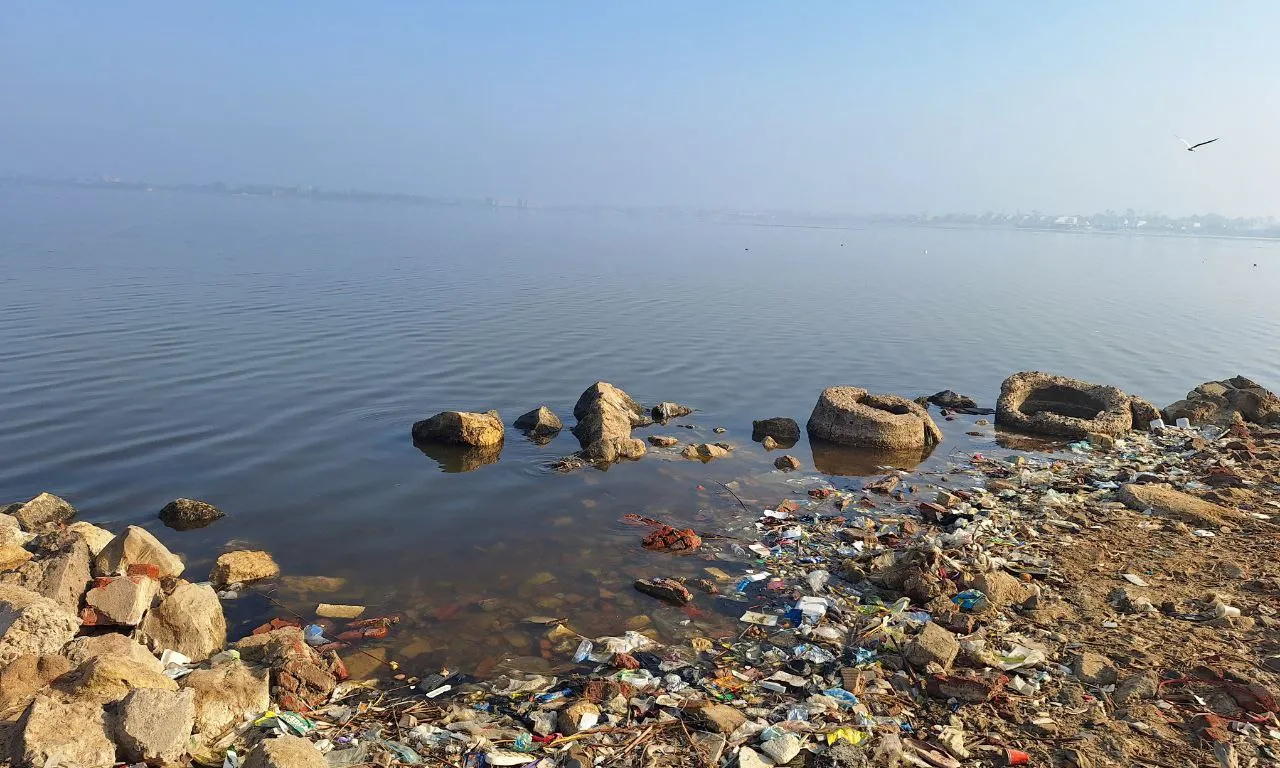
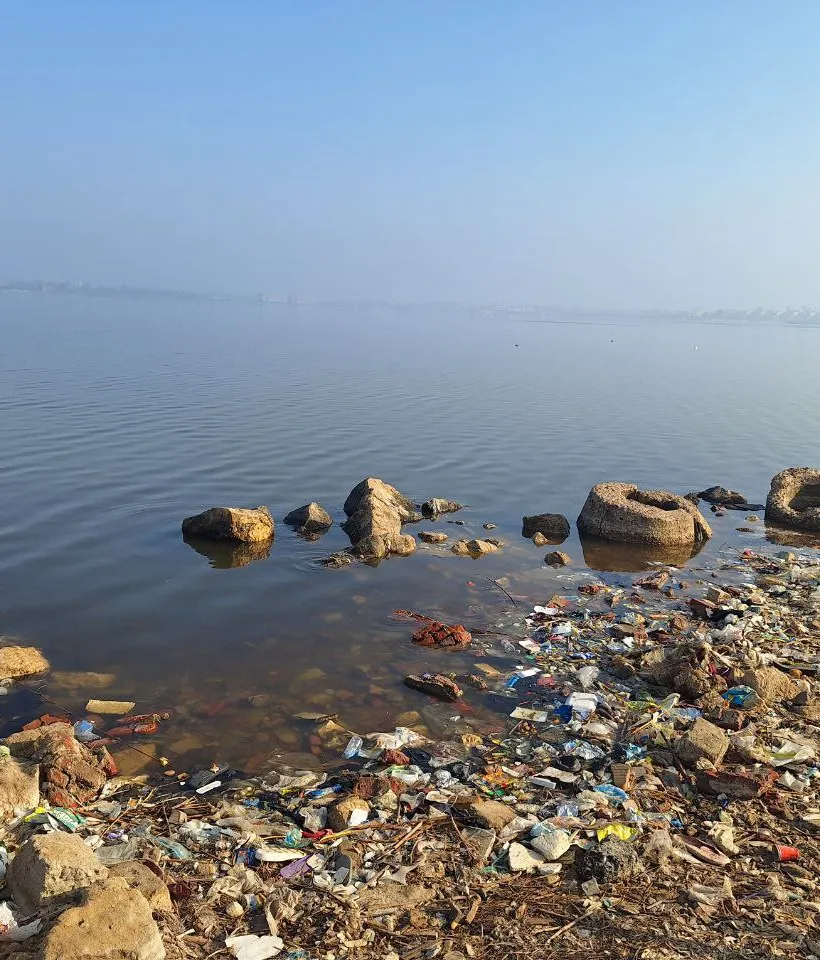
Fayoum, Egypt - In Shakshouk, a village surrounding Egypt's Lake Qarun, the smell of rot coming from the water is overpowering.
The lake, situated in the Fayoum Oasis - a depression in the desert 80 kilometres (50 miles) to the southwest of Cairo - has long been famed for its abundant fish.
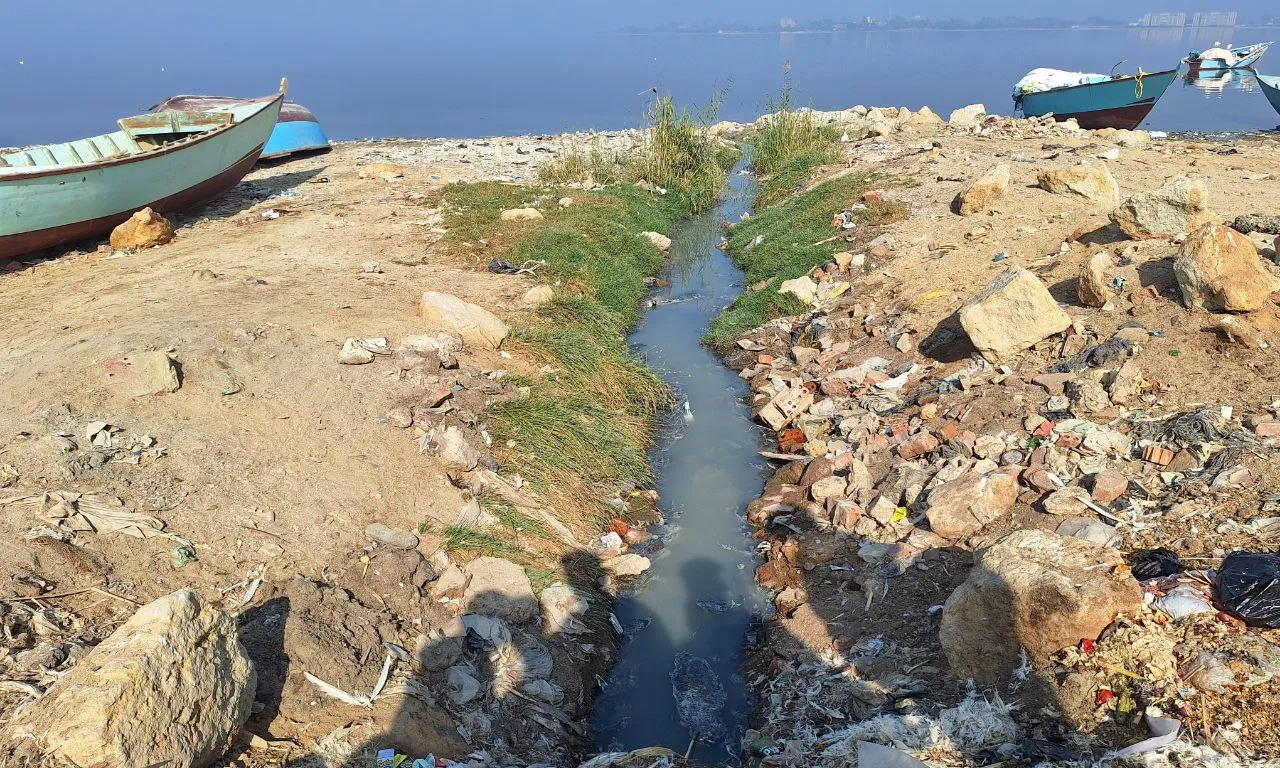
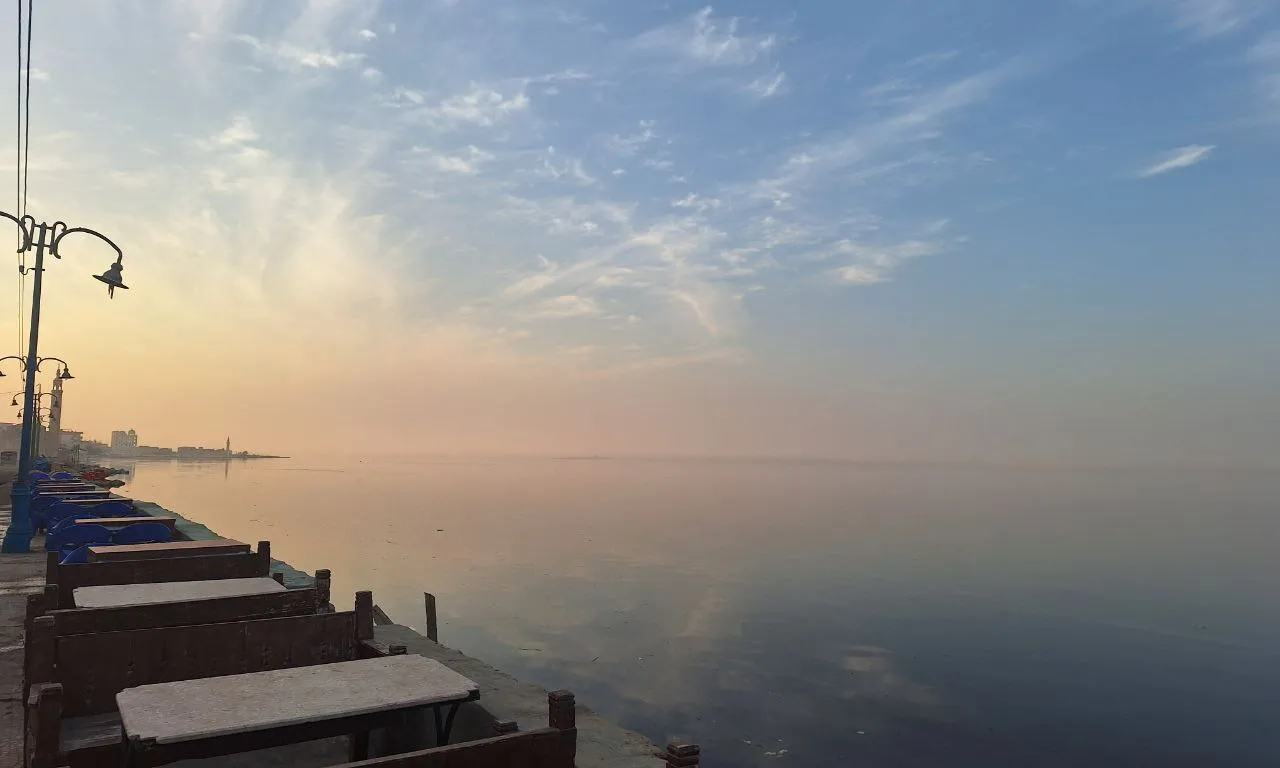
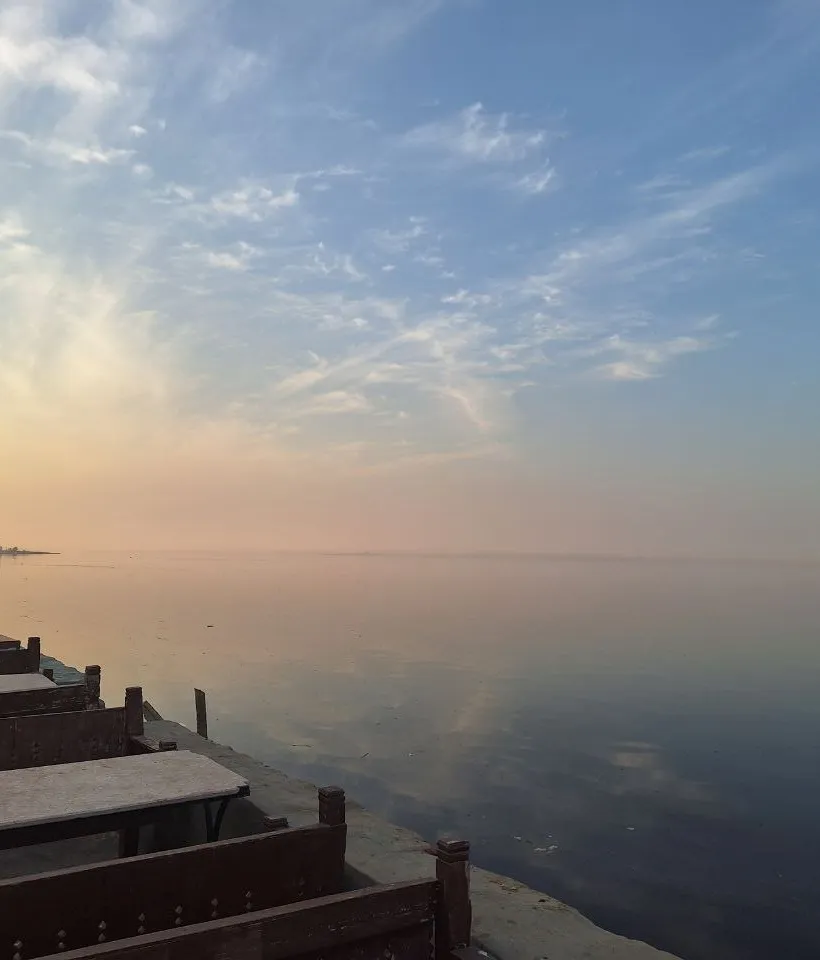
But little fishing activity is taking place. Boats are parked along the shore, with only one or two crossing the lake every few hours.
The dozens of fish restaurants lining the waterfront are mainly closed, and the handful that are open had no customers inside.
The smell, and the lack of fishing activity, are linked.
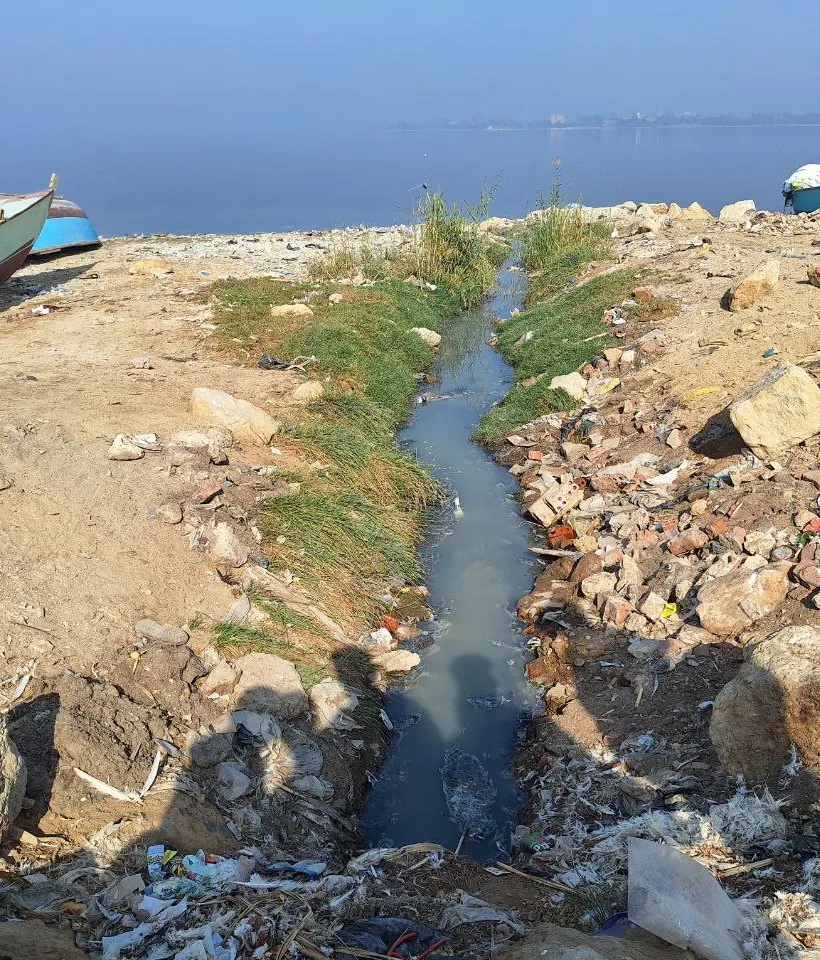
Small drainage channels cut through Shakshouk's streets and discharged untreated sewage into the lake.
"The lake's smell has become very bad, especially in the summer," one fisherman said. "The smell is unbearable because of pollution."
The situation on the ground in Shakshouk, and the rest of Lake Qarun, is markedly different from a narrative that emerged in Egypt over the past few weeks.
In December, photographers captured images that quickly drew national attention: flocks of flamingos wading through the shallows of the lake.
The images were soon picked up by state newspapers as proof of the success of a government-led restoration project of the lake, with the Egyptian prime minister's office even hailing the "return of flamingos to Lake Qarun" as a "turning point in the lake's environmental recovery".
"[The flamingos] do not return to any habitat unless precise environmental conditions are met, including clean water, abundant food, and biological stability," the prime minister's office added.
Eid el-Raghy, an official at Egypt's environment ministry, clarified to Al Jazeera that migratory birds had never fully disappeared from Lake Qarun, but said that there had been an uptick in the number of flamingos that had arrived, and the length of their stay, in a turnaround after years of decline.
But as evident from the sewage water flowing in Shakshouk, and the lack of fishing activity, Lake Qarun's pollution levels are still clearly high - meaning the return of the flamingos to the Fayoum Oasis may be nothing more than a desert mirage.
Rising pollution
Lake Qarun was designated a natural reserve in 1989, covering an area of 1,385 square kilometres (535sq miles).
The lake was, until recently, a major fishing lake, with most residents dependent on it for their livelihoods. Over time, however, rising pollution wiped out fish production and severely damaged the local economy.
Lake Qarun’s physical and chemical transformation stretches across the 20th century. Its surface area fluctuated significantly – shrinking as River Nile inflows declined, then expanding as agricultural drainage increased.
By 2021, the lake was receiving approximately 1.34 million cubic metres (4732cu feet) of drainage water per day, nearly all of it agricultural run-off mixed with untreated sewage. In a desert climate marked by high evaporation and declining freshwater inflows, salts accumulated until salinity levels exceeded those of the Mediterranean Sea.
Osama el-Naggar, manager of the Qarun Protected Area, told Al Jazeera that “the lake’s problems began well before 2011 but worsened after the [2011] revolution due to a security vacuum and weak oversight”.
Wafaa Amer, former deputy environment minister and former head of the Nature Protection Sector, told Al Jazeera that the lake is now shallow and overloaded with decades of leaked chemicals and waste.
“Half a metre (1.6 feet) of the lakebed today is polluted material,” she said, adding that Lake Qarun “needs cleaning and dredging of the lakebed".
Today, the lake covers about 235sq km (91sq miles). While it remains an important stopover for migratory birds, its capacity to sustain biodiversity has been severely weakened.
Khaled el-Noubi, a bird migration researcher and executive director of Nature Conservation Egypt, said that the increased numbers of flamingos was therefore not evidence of ecological recovery at the lake.
“You can’t link ecosystem health to the presence of a migratory bird,” he told Al Jazeera, noting that migratory species will stop at any available water body – even polluted ones. “We documented flamingos in sewage treatment plants.”
Proving recovery, el-Noubi said, would require costly, long-term monitoring showing sustained increases in migratory bird numbers and length of stay – research that has not been conducted at Lake Qarun. “Resident birds are a more reliable indicator,” he added, “because they need stable conditions to breed and raise young.”
Disappearing fish
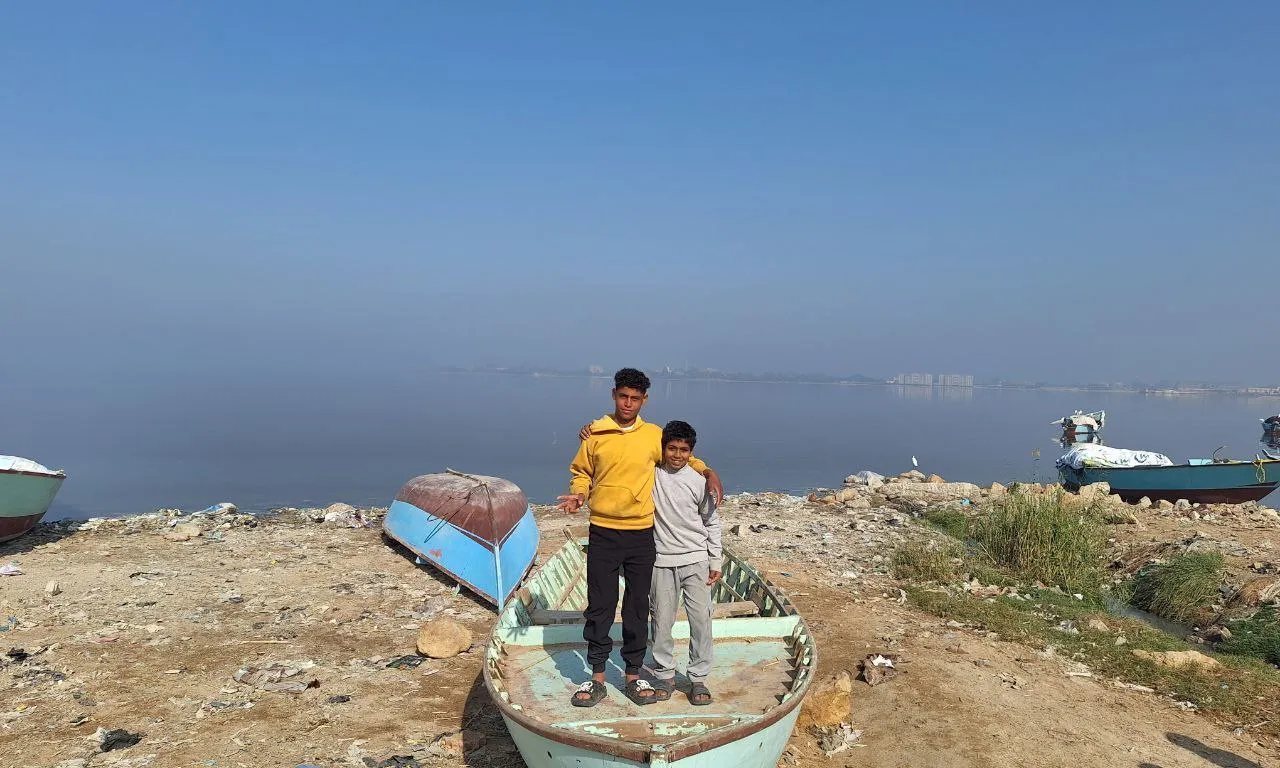
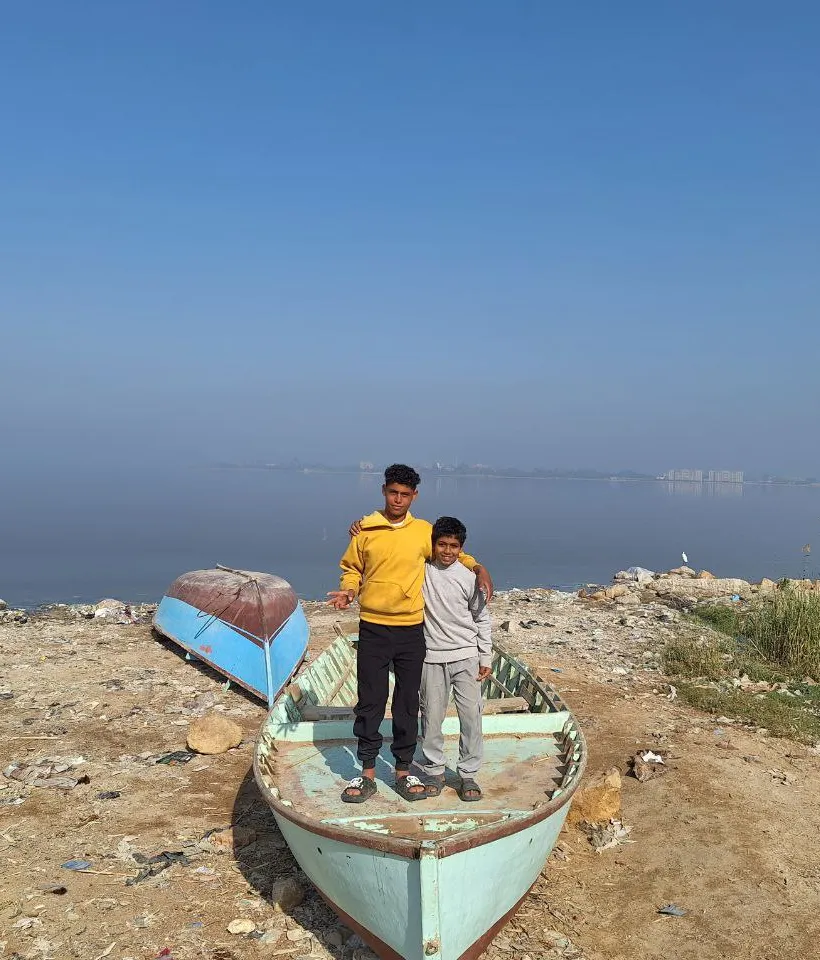
While flamingos may not entirely be put off by the condition of the water at Lake Qarun, fish are.
One fisherman, who spoke to Al Jazeera on condition of anonymity, described seeing fish flee “the white water” coming from the discharge of the Kom Oshim industrial complex, which is adjacent to the lake. “The fish keep running until they reach the shore – and then they die,” the fisherman said.
As the lake’s chemistry changed, fish production collapsed – from about 2,000 tonnes in 1981 to just five tonnes in 2022.
Much of that drop has occurred since 2014, with fishing output falling by roughly 78 percent during that period, driven by pollution, mismanagement, overfishing and the spread of a devastating isopod parasite. According to local media reports, the pollution in the lake contributed to the spread of the parasite. The outbreak caused mass die-offs and rendered fishing nearly impossible.
In 2019, veterinary professor Nesreen Ezz el-Din said officials had been warned about the parasite risk years earlier, but proper procedures were not followed, worsening the disaster.
“The real crisis started in 2014 and 2015,” one fisherman said. “Until last month, fish were still gathering on the shore and dying.”
Many fishermen have been forced to move – to construction jobs, abroad, or to other lakes such as Lake Nasser in Aswan. “Everyone depended on fishing,” another fisherman said. “When fishing died, young fishermen left seeking other jobs in other governorates. Some went to Europe or African countries.”
National problem
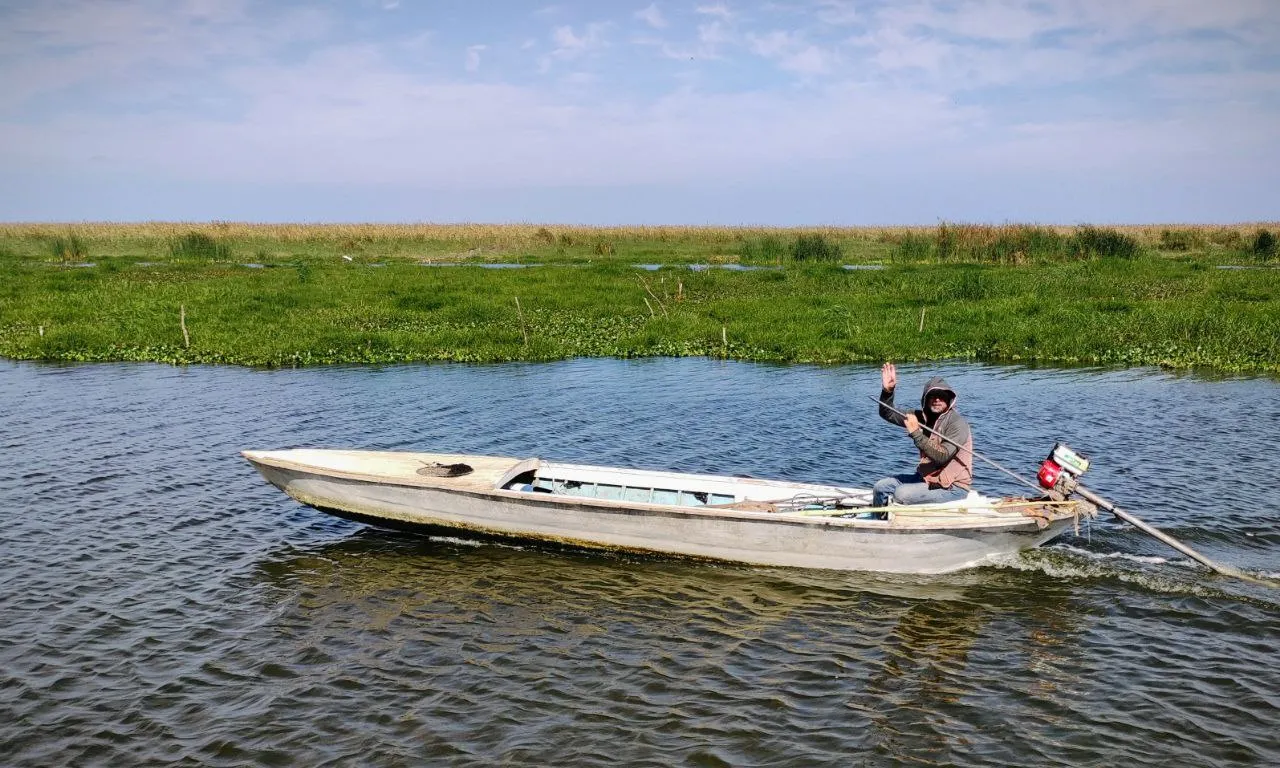
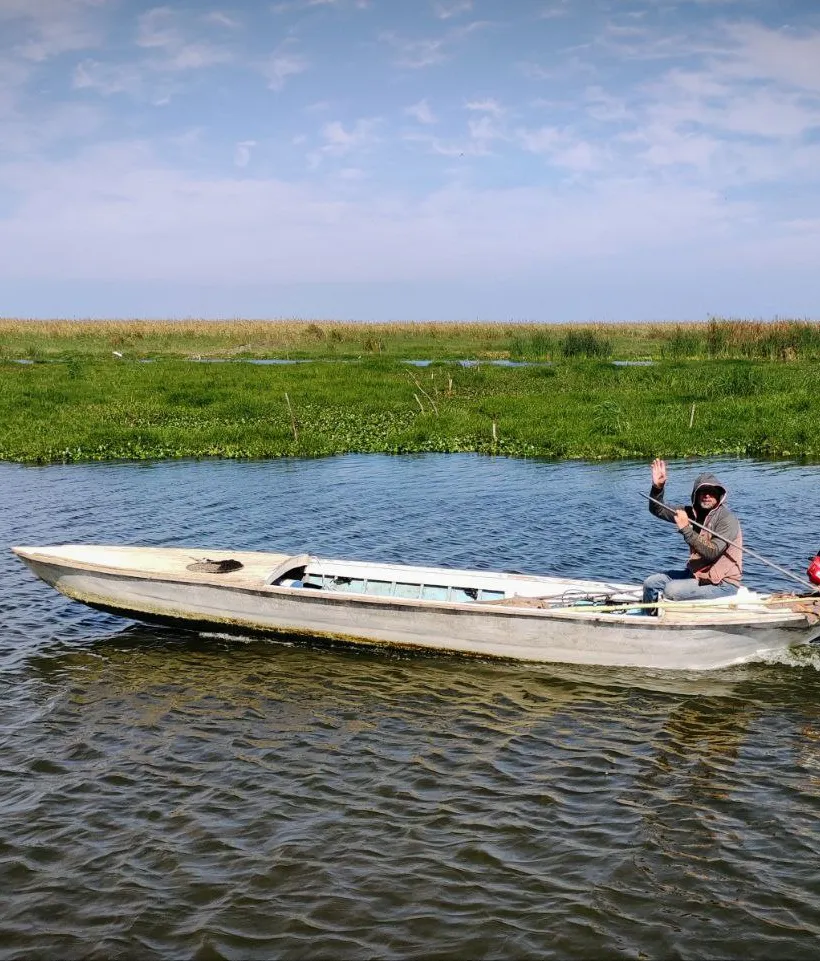
Qarun’s crisis reflects a broader national trend. A 2015 Assiut University study (PDF) on the environmental status of Egypt’s northern lakes warned of rapid deterioration caused by pollution and human encroachment. Bardawil, Manzala, Mariout, Burullus and Edku, it said, suffer varying pollution levels from untreated agricultural, industrial and sewage discharge, leading to declining fish productivity and shrinking lake areas – particularly in Manzala, in the northeast of the Nile Delta.
By the end of 2023, the government announced the completion of a restoration project in Lake Manzala. But in April 2025, local independent media outlet Mada Masr published an investigative report highlighting contradictions between official narratives of success and field accounts describing different outcomes.
Fishermen quoted in the investigation said livelihoods did not improve – and in some cases worsened – after restoration measures restricted access to traditional fishing areas. Heavy dredging, the report said, altered the lakebed and damaged fish breeding environments, reducing catches, while discharge continued despite claims of improved water quality.
El-Raghy, the government official, defended aspects of Manzala’s approach, saying deeper dredging was linked to changes in salinity and fish species, requiring fishermen to “adapt”. He described the overall process as long-term “re-engineering” of lake resources.
Plans include restoring other lakes, he said. “In 2026, we will finish the final vision for ecological rebalancing in Manzala, then start Burullus, then Edku and Mariout.”
'The lake is still dead'
The Egyptian government believes that it should be given credit for its work to clean up the country's lakes.
El-Raghy said the Lake Qarun project began in 2018 and has run for about six years, aiming to limit deterioration and restore the lake’s natural capacity to support aquatic life. Phase one included dredging the Bahr Youssef canal – which carries Nile water to Fayoum agriculture before discharging into Qarun – to ensure unobstructed flow and maintain suitable lake levels.
The project also incorporates sewage infrastructure, including eight sewage treatment stations for villages around the lake, as well as rehabilitation of a treatment plant at the previously mentioned Kom Oshim complex, with a capacity of 19,000 cubic metres per day.
Funding, el-Raghy said, includes a 300 million euro ($361.2m) loan from the European Bank for Reconstruction and Development and 100 million euros ($120.4m) from various government bodies within the restoration committee.
He identified industrial discharge and sewage as the main sources of pollution, saying the Kom Oshim industrial complex had previously discharged waste into a treatment plant not designed to handle industrial effluent.
The Ministry of Environment, he said, worked with 13 factories to cut pollution loads by half, and the upgrade of the main Kom Oshim treatment plant is now 65 percent complete, with full operation - which would end the discharge of untreated waste into the lake - expected in the second half of 2026.
As part of restoring ecological balance, the government cleanup project has introduced new fish stocks, including mother sole fish in 2022 and shrimp fry during the 2024–2025 seasons.
El-Raghy said the isotope parasite that had been one of the main reasons for the drop in fish numbers cannot be eradicated, and that the current strategy is to prevent its hosts from returning. “Mullet and tilapia will not be reintroduced,” he said, referring to two fish that are hosts to the parasite. But, he added, “shrimp production increased, and sole reproduced inside the lake. This is a strong indicator of improvement.”
In late 2024, the Ministry of Environment announced the reopening of Lake Qarun to fishing after years of partial or full closure.
But, as the lack of activity testifies, the issues that put a stop to fishing here have not been fully resolved, even if the sight of flamingoes has led outsiders to be optimistic.
If anything, the debate over flamingos remains secondary to daily survival. People here are still waiting for the lake restoration to mean clean water, living fish, and the provision of livelihoods with which they can again sustain their families.
El-Raghy asked for patience, saying that fishermen needed "time to adapt", as "the composition of fish stocks and ... fishing techniques are changing".
But for the fishermen of Lake Qarun, patience is a luxury they do not have.
Yasser Eid is one of them. Like most men here, fishing has shaped Yasser’s life since childhood. Now about 40 years old, he said he first went out on the lake at the age of seven, dropping out of school at a time when fishing promised steady income and a future for entire families.
Sitting on the shore of Lake Qarun in Shakshouk with his father and a friend, Yasser looked out at the water wistfully.
The promise of a good livelihood from fishing has now collapsed. Fish stocks are gone, and the small catches available do not support a living.
Several of Yasser’s brothers and two of his children now work far away, hundreds of kilometres south at Lake Nasser in Aswan, one of the few places where fishing remains viable.
Those who stayed behind, he added, are struggling under mounting financial pressure, waiting for a recovery that has yet to materialise.
“There are no fish,” Yasser said quietly, gesturing towards the lake. “The lake is still dead.”


